What needed to happen
This wasn’t a campaign problem.
It was a demand problem.
The property needed:
- awareness in a crowded category
- trust in an uncertain moment
- a steady flow of qualified interest
Not spikes. Not one-off wins.
Consistency.
The part most people get wrong
Pushing harder isn’t the same as working smarter.
The instinct in situations like this is to pick a channel and push it hard.
Run ads. Boost posts. Send mailers. Try something and hope it sticks.
That wasn’t going to work here.
Because the audience wasn’t just choosing between Encore and competitors.
They were deciding whether to engage at all.
So the strategy couldn’t rely on a single channel.
It had to show up everywhere that decision might start – and feel consistent when it did.

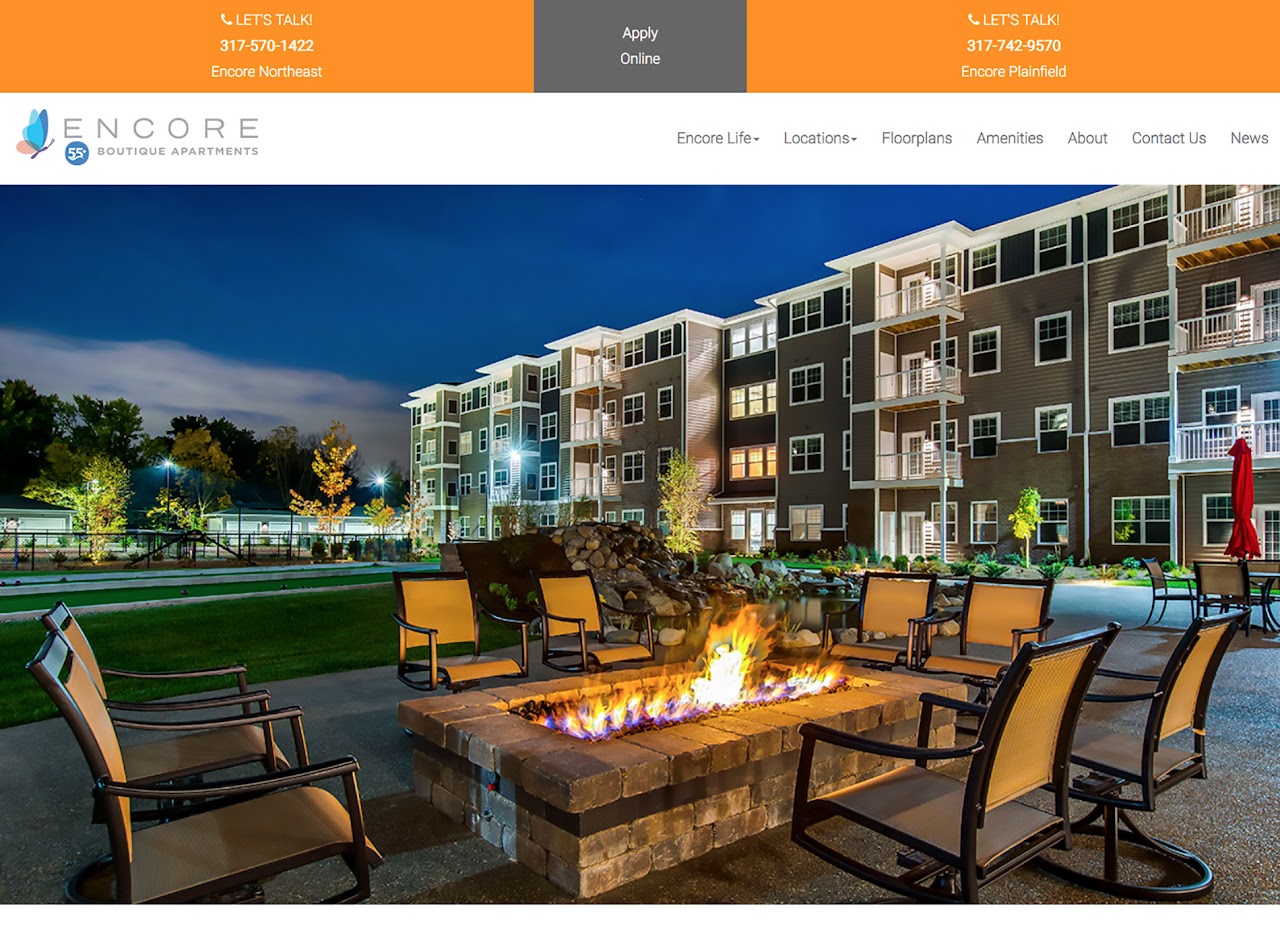
The approach
A connected system, not isolated tactics.
The strategy was built as a connected system:
- digital campaigns to capture active search
- social content to build familiarity
- print and direct mail to reach beyond the screen
- a website that could convert interest into action
Each piece had a role.
Each piece reinforced the others.
Because people don’t make decisions after one touchpoint.
They notice something. They see it again. They talk about it. Then they act.
What I actually built
Not just campaigns – a marketing engine.
- a custom website designed to inform and convert
- integrated lead capture and availability systems
- targeted digital campaigns for high-intent searches
- social content to humanize the experience
- direct mail and print targeting the right households
- consistent presence across senior-focused directories
Individually, none of these are unique.
Together, they work.
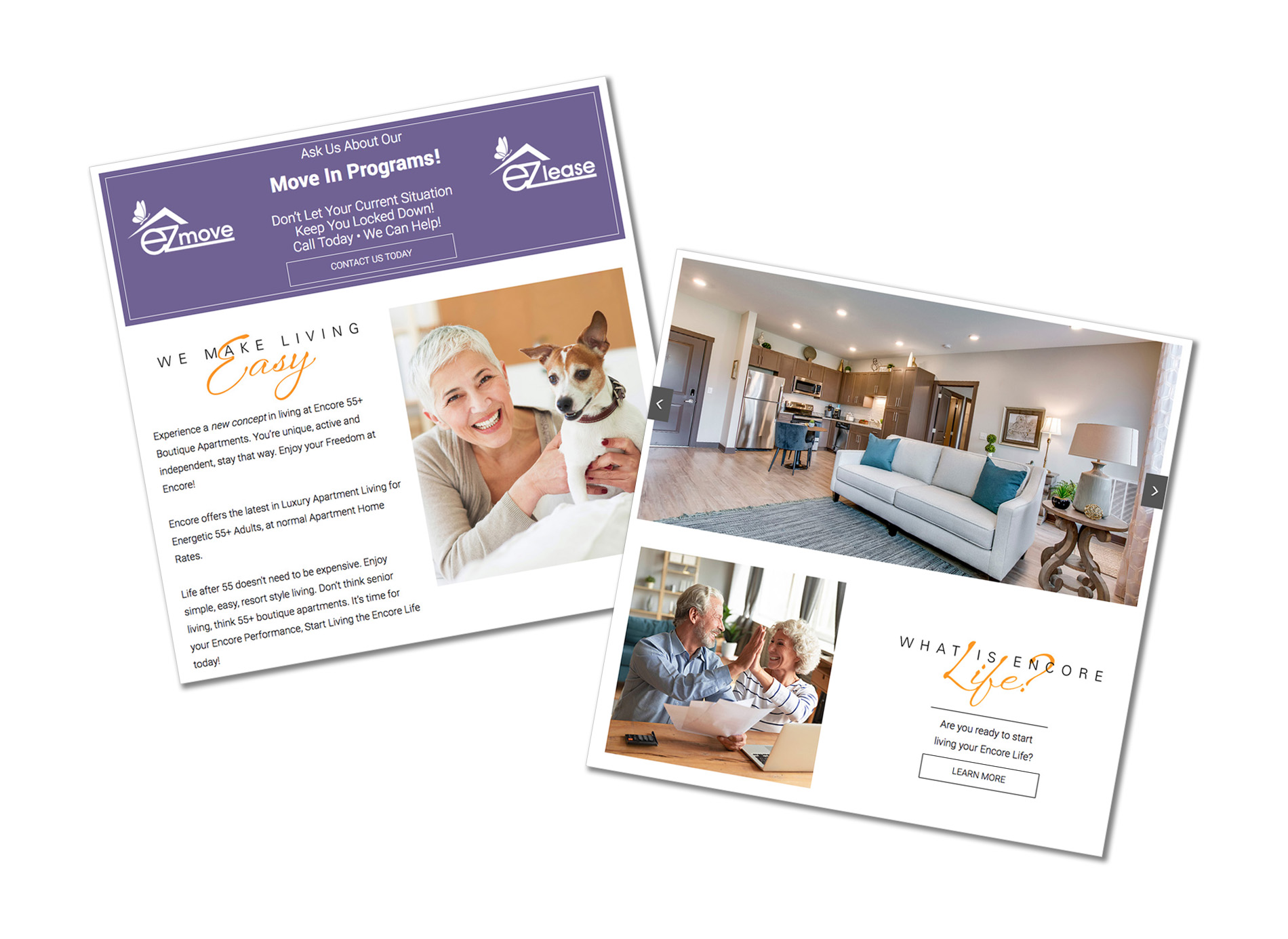
Why the website mattered
Most channels point somewhere.
If that destination doesn’t do its job, everything else falls apart.
So the site wasn’t treated like a brochure.
- clear positioning and messaging
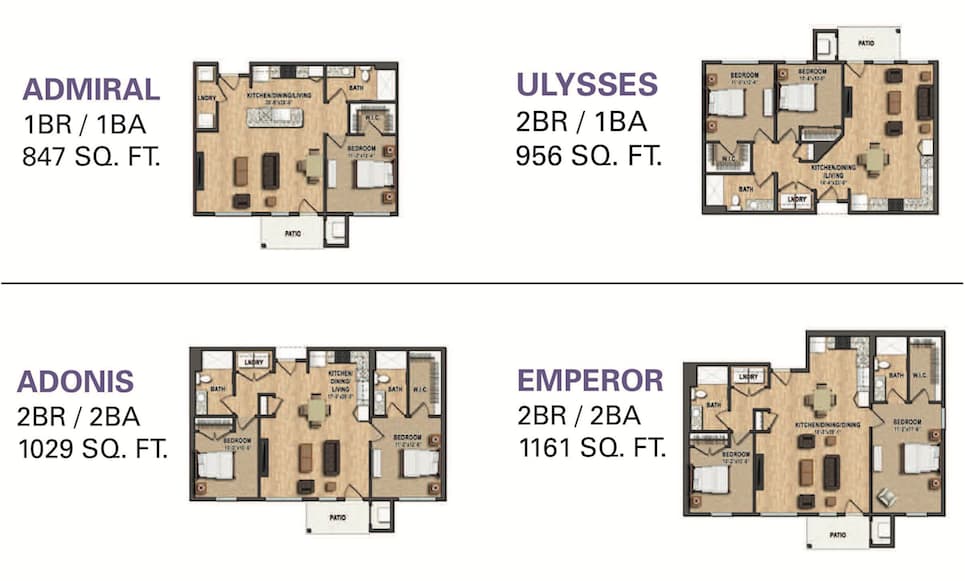
- transparent pricing and layouts
- virtual exploration when visits weren’t possible
- clean, reliable lead capture
Because once someone gets there, you don’t get many second chances.
What changed
Momentum replaced uncertainty.
- a steady flow of qualified interest
- growing awareness in the market
- a pipeline that could actually be worked
The property reached 60% occupancy within three years – in the middle of a global pandemic, when most communities were struggling to fill units at all.
The marketing stopped being reactive.
It became something the business could rely on.
What this says about how I work
I don’t think in channels.
I think in systems.
What needs to happen, where decisions are made, and how each piece contributes to that outcome.
Then I build the structure that supports it – and make sure it actually works.
Because a campaign can look good and still fail. A properly executed system doesn’t.