What needed to happen
The North American site wasn’t just a redesign.
It was a reset.
The goal was to create something that could:
- clearly represent a complex product portfolio
- support communication with customers and partners
- establish a digital foundation that other regions could actually build from
Not just a better website.
A better starting point.
The part that gets overlooked
When you’re dealing with technical products, clarity isn’t optional.
It’s everything.
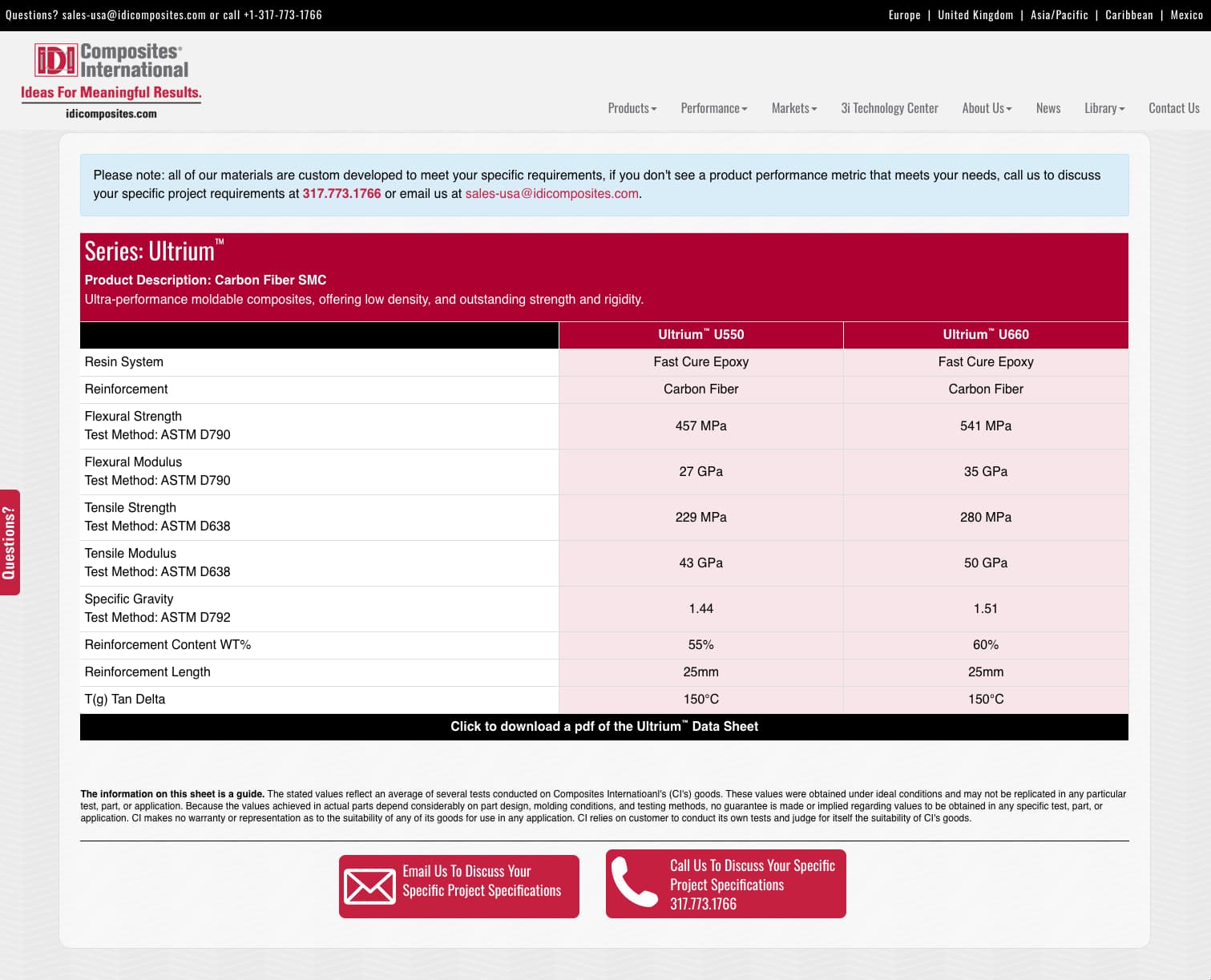
IDI’s offerings aren’t simple, and the audience isn’t casual. Engineers, manufacturers, and decision-makers need information that’s accurate, structured, and easy to navigate – without being oversimplified.
So the challenge wasn’t just organizing content.
It was making complexity usable.
What I actually built
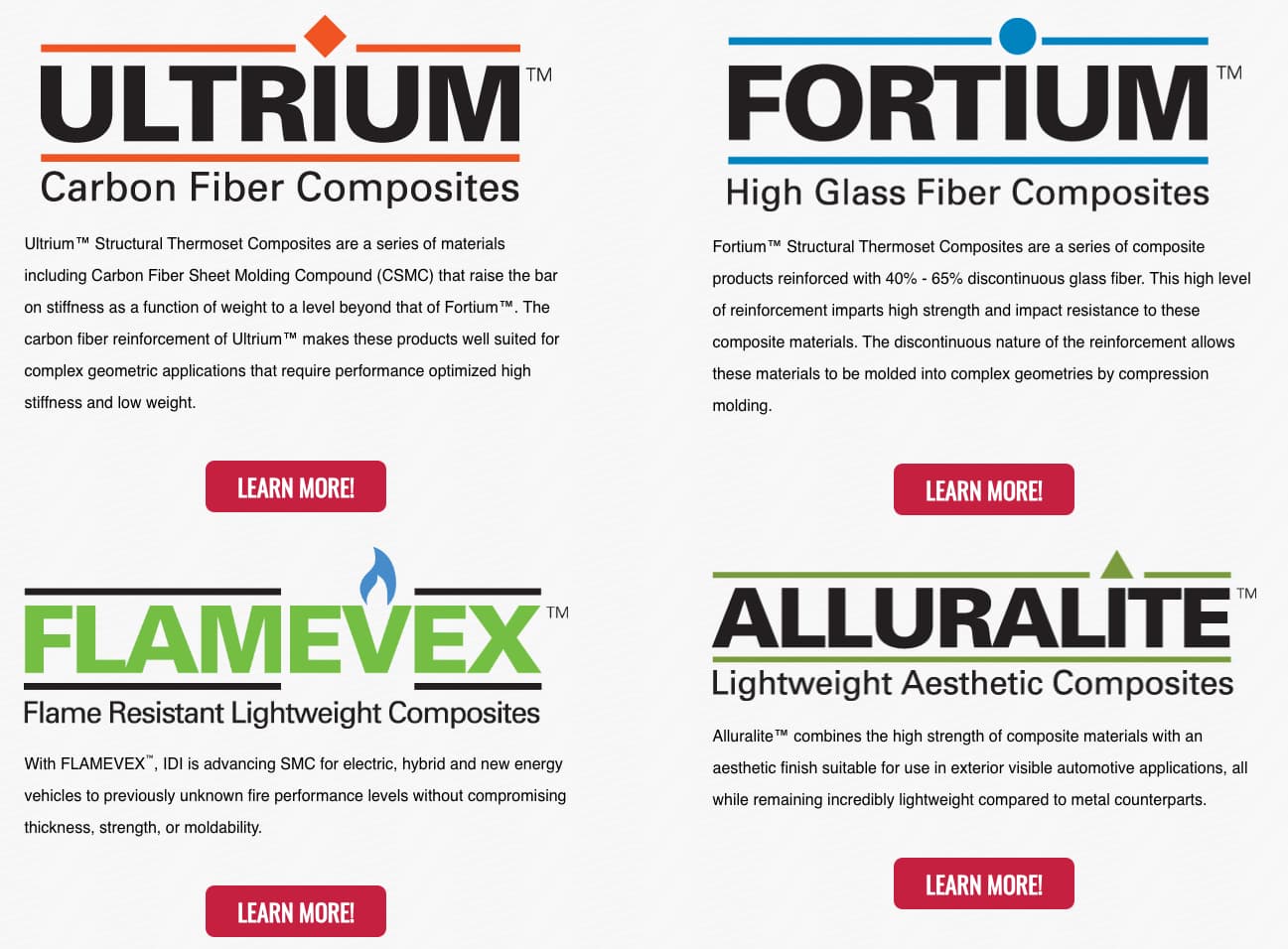
A fully custom digital platform designed to bring structure to a fragmented product ecosystem.
- a unified presentation of multiple product brands — including several that I developed as part of the broader system
- a flexible structure that could scale as offerings evolved
- integrated content including video, forms, and technical documentation
- a system that made it easier for users to find what they needed without digging
Not flashy.
But deliberate.
Then it got more interesting
After the North American site launched, the European division wanted the same foundation.
With one important difference.
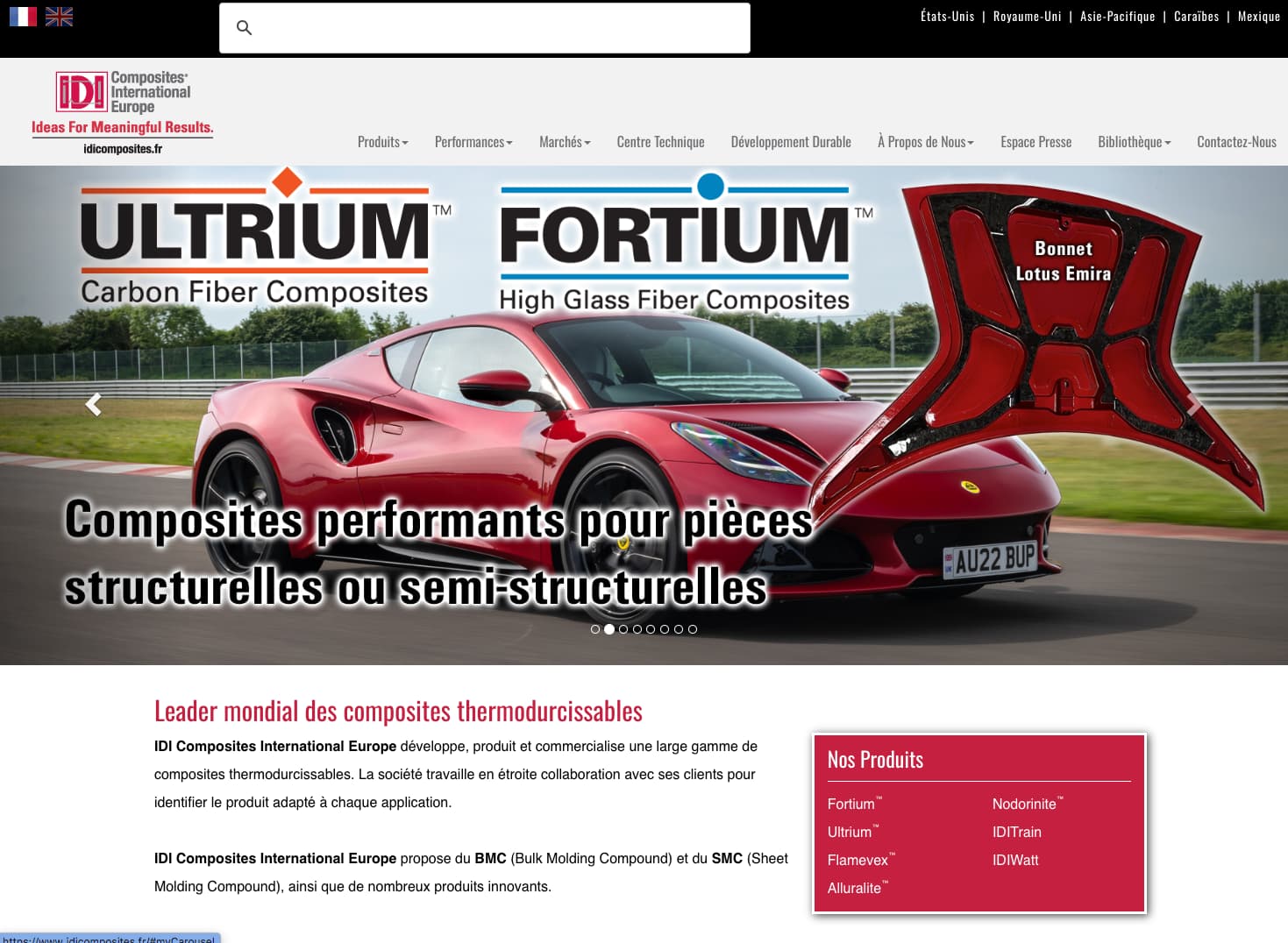
It needed to work in both English and French.
Not translated.
Written.
Because in a technical industry, “close enough” isn’t good enough.
Terminology matters. Precision matters. And the wrong word doesn’t just confuse – it undermines trust.
The adaptation
A bilingual site, without the shortcuts.
Instead of bolting on a translation layer, the site was rebuilt to support true bilingual content.
Users could switch between languages seamlessly, with each version reflecting content that was intentionally written and reviewed – not auto-generated.
Which sounds obvious.
Until you’ve tried to explain a thermoset molding compound in two languages without breaking meaning.
What changed
The result wasn’t just two websites.
It was a system that could scale.
- North America had a clear, structured digital presence
- Europe had a localized version that maintained accuracy and credibility
- both shared a consistent foundation, making future expansion realistic
And just as important:
The brand started to feel like one company again – not a collection of regional variations.
What this says about how I work
I don’t treat websites as standalone projects.
I treat them as systems – especially when they need to scale.
What works in one place should be able to extend to another, without starting over or losing clarity.
Sometimes that means designing something flexible.
Sometimes it means rebuilding it for a new context.
In this case, it was both.