What needed to happen
This wasn’t about generating leads.
It was about shaping how the business would be understood.
The brand needed to communicate:
- professionalism
- consistency
- a level of quality that positioned it beyond standard options
Not just a housing option.
A credible business worth acquiring.
The gap
Internally, it made sense. Externally, it didn’t.
Materials lacked cohesion.
Messaging didn’t fully support the positioning.
The overall presentation didn’t match the level of service being delivered.
Which creates a problem.
Because buyers evaluate perception as much as operations.
The approach
Make the business easier to understand – and easier to trust.
The focus wasn’t on changing the business.
It was on presenting it clearly.
- clarity in messaging
- consistency across materials
- a visual system that reinforced quality and professionalism
Align perception with reality.
What I actually built
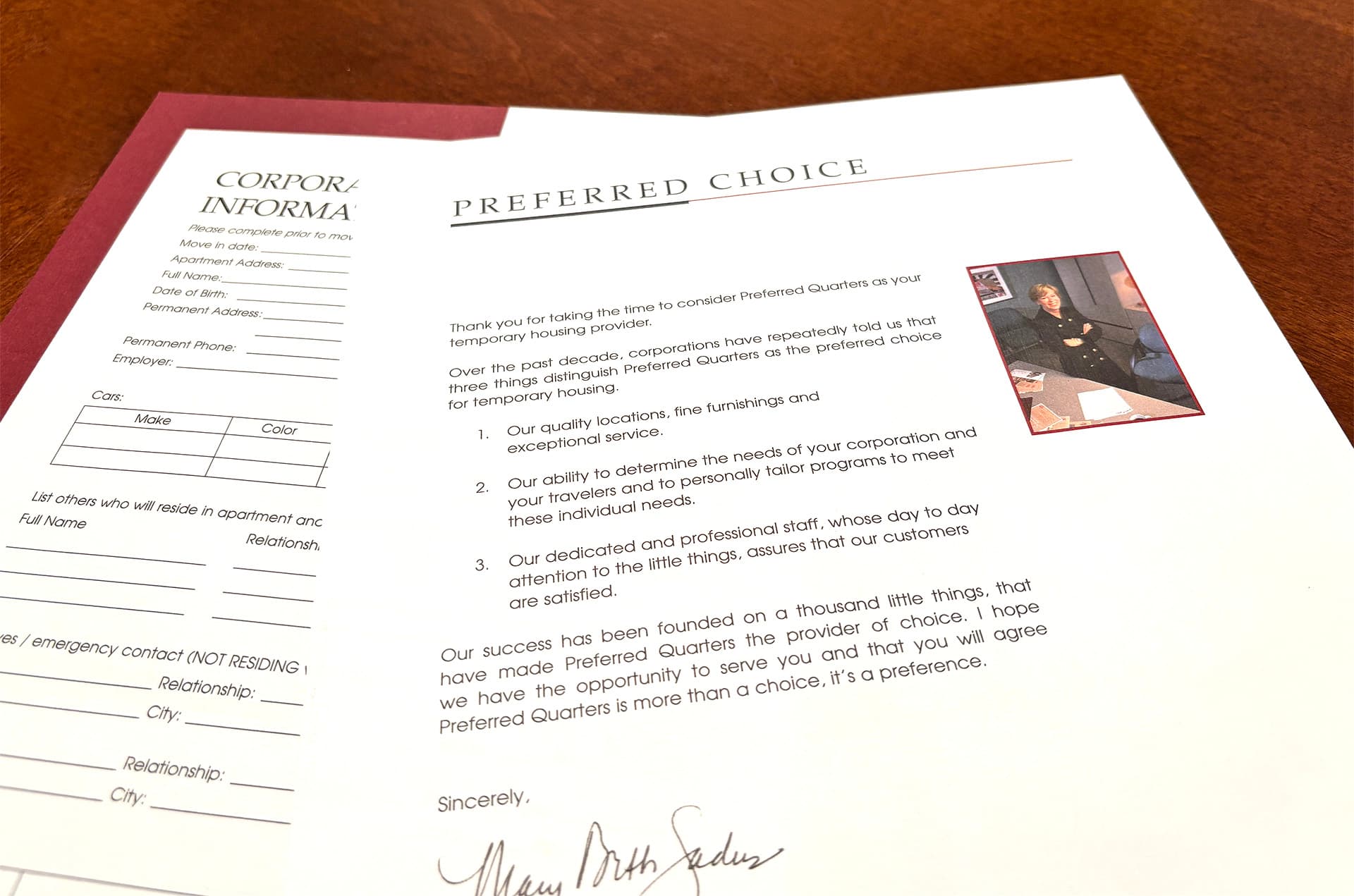
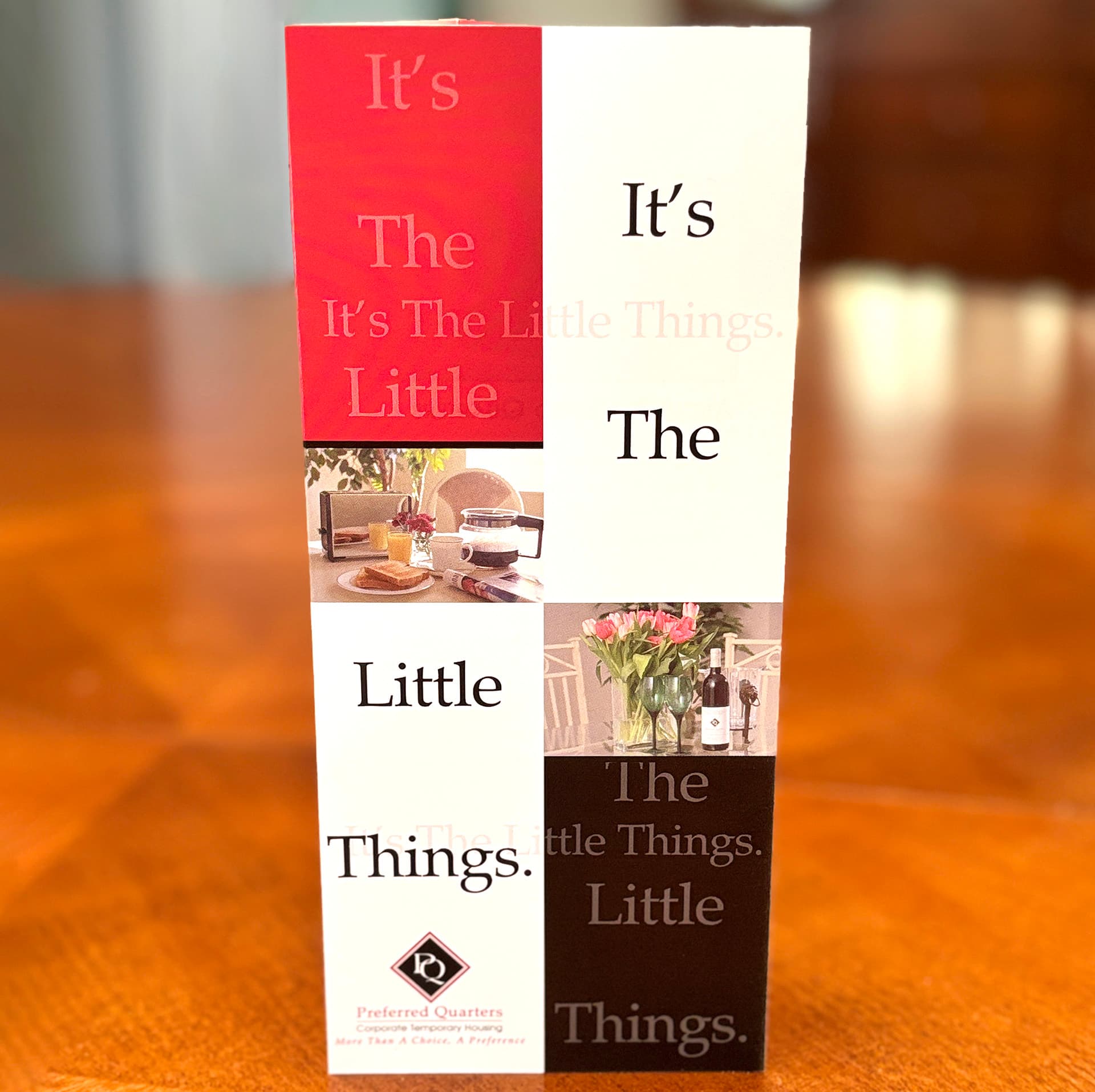
A cohesive set of materials designed to tell a clearer story.
- a structured suite of print materials, including a pocket folder system
- a refined visual language that elevated the brand
- art direction for photography that reinforced professionalism
- supporting materials such as maps and internal documents
- a targeted print campaign to reinforce positioning
Individually, these are straightforward.
Together, they change how the business is perceived.
Why this mattered
At the point of sale, evaluation happens quickly.
Buyers look for signals:
- Is this organized?
- Is it consistent?
- Does it feel thoughtfully built?
Brand doesn’t answer every question.
But it shapes the first impression.

What changed
The business didn’t change.
How it was understood did.
- the offering felt more cohesive
- materials reflected the level of service
- the brand supported a stronger perception of value
And ultimately:
The company successfully attracted a buyer.
What this says about how I work
I don’t think of branding as surface-level work.
I think of it as how a business presents itself when it matters.
Sometimes that’s to customers.
Sometimes it’s to investors or buyers.
In both cases, the job is the same: make the value clear, make it consistent, and make it easier to trust.