Why it is still in the toolbox
I became a designer. I never really stopped being an illustrator.
Illustration has never needed to be my primary job title to remain useful.
Obviously, sometimes the assignment simply needs an illustration. A technical process may be easier to understand once everything irrelevant has been stripped away. A concept may need an image that does not exist. A subject may simply be better explained than photographed.
But some of the most practical value shows up when I am working with photographs.
Drawing teaches you to understand why something looks real — perspective, proportion, light, shadow, color, texture, reflection, and depth. Those same skills become incredibly useful in Photoshop when an image needs more than basic retouching.
I have added products to scenes where they were never photographed. Rebuilt backgrounds after removing unwanted objects. Corrected lighting so separate elements actually belong together. Removed trash, debris, distractions, and production mistakes nobody noticed until after the shoot was over.
Done badly, everyone sees the edit. Done well, nobody knows there was a problem.
Sometimes illustration means creating the image from scratch. Sometimes it means knowing enough about how images work to save the one you already have.
Technical & explanatory illustration
Sometimes the picture has to teach.
Industrial products and manufacturing processes are not always especially cooperative subjects. The important part may be hidden inside an assembly, moving too quickly to photograph, or surrounded by enough real-world complexity that a photograph explains almost nothing.
That is where illustration becomes less decorative and more functional: isolate the important information, simplify the process, and give the viewer a clean way into a complicated subject.
If the audience needs to understand what the machine is doing, showing them the machine is not always enough.

Digital Technical Illustration
Industrial Component Rendering
A dimensional digital illustration isolates the component from its environment and makes form, construction, and relationships easier to see than they would be in a typical production photograph.
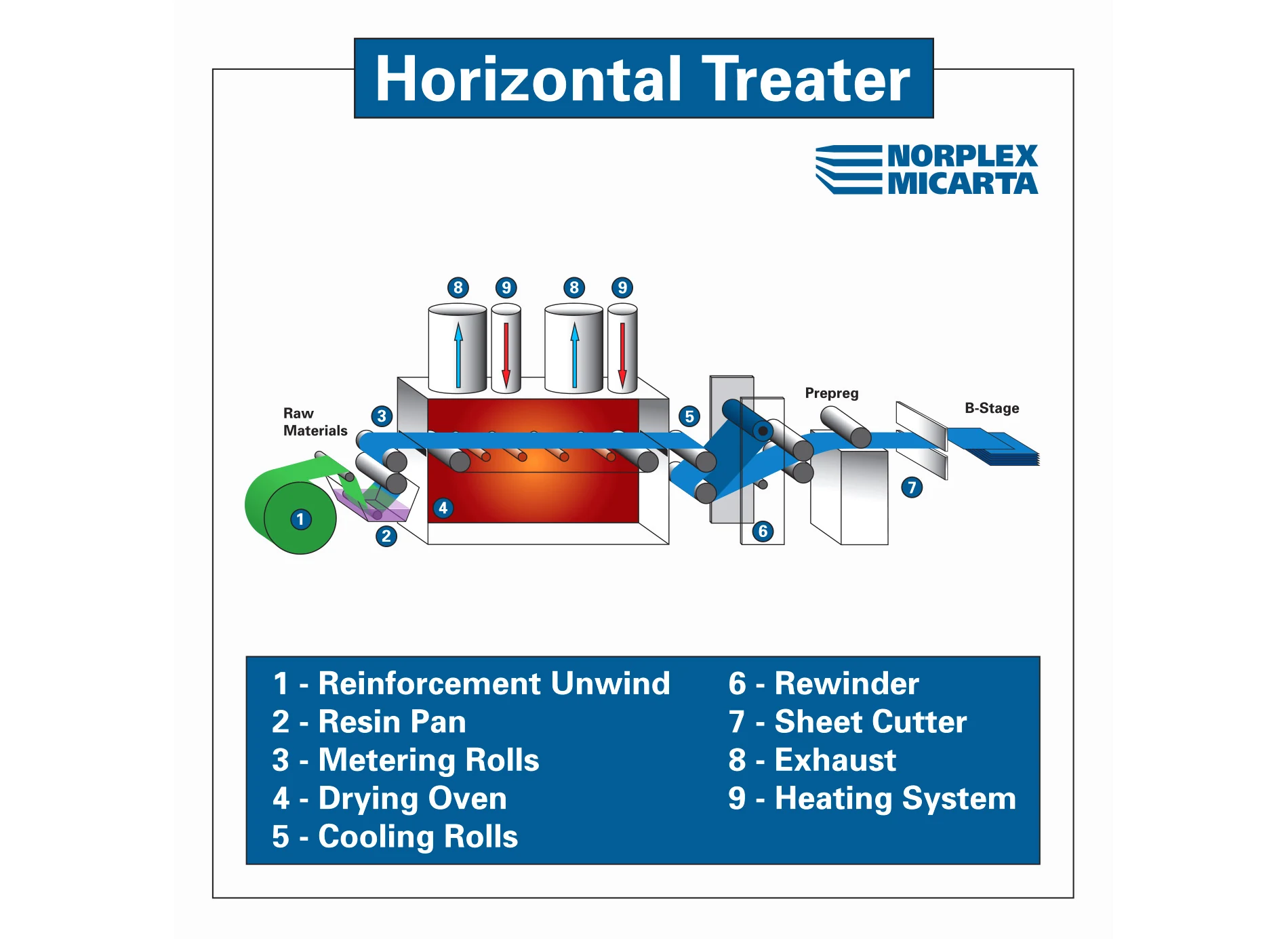
Vector / Process Illustration
Explaining What the Equipment Is Actually Doing
This series of Illustrator-based process graphics was created for Norplex-Micarta and displayed throughout the plant so visitors on facility tours could understand the purpose and sequence of complex manufacturing equipment without needing an engineering degree as a prerequisite.
Photographic illustration & compositing
The best illustration work is sometimes the part nobody notices.
Photo editing gets considerably more interesting once the job moves beyond color correction and cleanup.
At WiTricity, that can mean adding an MR/1 wireless-charging system into an existing golf-cart image and making the new object obey the same perspective, light, shadow, surface reflections, and depth as everything that was actually photographed.
On other projects, it has meant removing trash or debris overlooked during a shoot, reconstructing the background that should have been behind it, correcting uneven lighting, repairing distracting details, or combining source elements that were never captured together.
The software can make the pixels move. Illustration training is what helps me judge where they should go.
“We need to reshoot this” is sometimes just another way of saying “open Photoshop.”
Traditional & expressive work
The hand still matters.
The other side of illustration is less interested in explaining a manufacturing line and more interested in observation, character, texture, gesture, and interpretation.
My traditional work has moved between quick drawing, portraiture, mixed media, stylized imagery, and more fully developed painted pieces. The styles change because I have never been especially interested in forcing every subject through the same visual filter.
A sketch and a finished illustration are solving different problems. They are allowed to look like it.

Traditional / Mixed Media
Movement, Texture & Story
A more illustrative, narrative approach built around movement and a deliberately tactile surface rather than photographic realism.
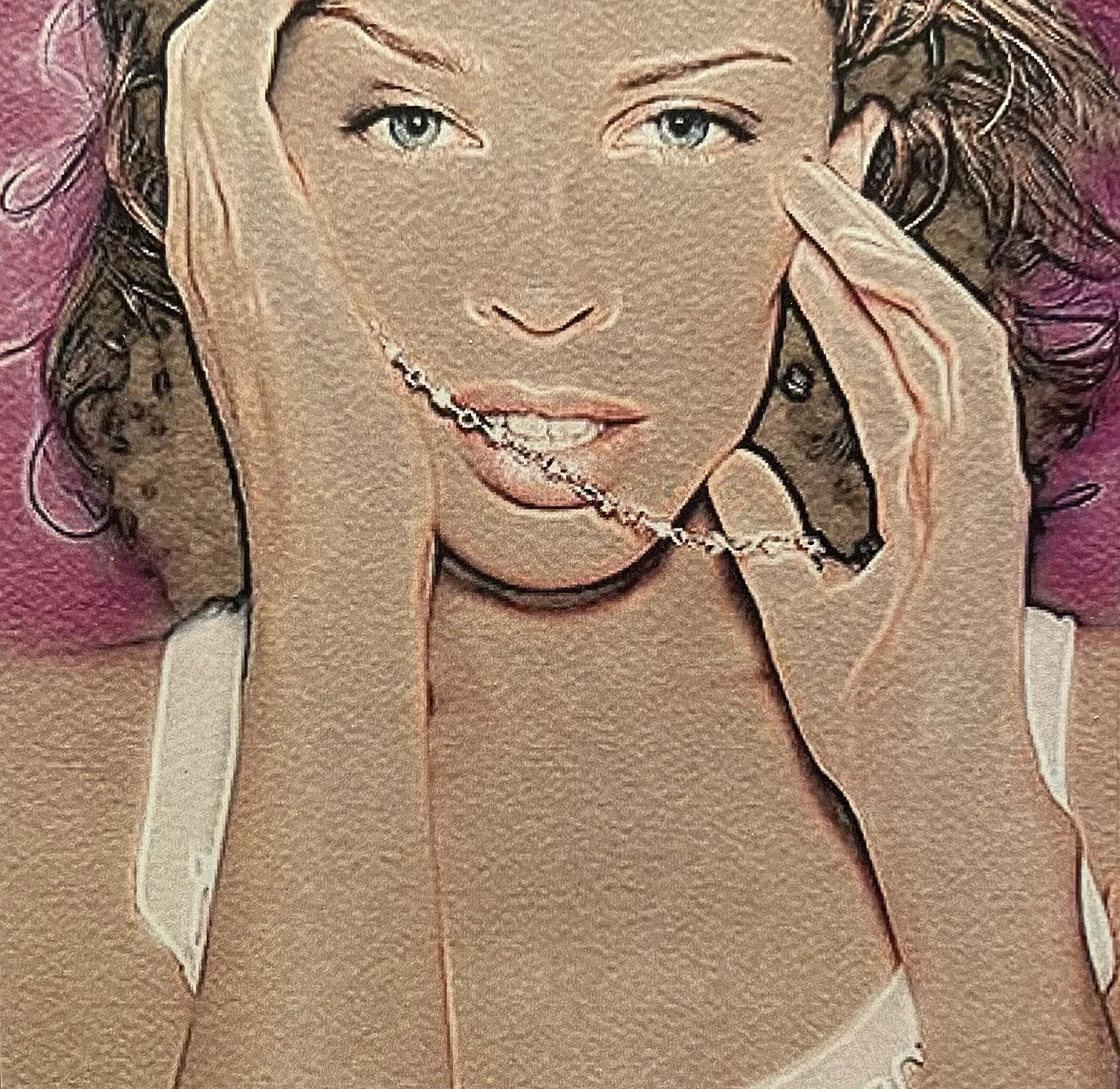
Portrait Illustration
Detail & Expression
Portrait work built through drawing, color, texture, and selective detail rather than treating the reference as something that simply needs to be copied.

Traditional Illustration
Form, Weight & Contrast
A limited palette and close crop turn a simple physical interaction into something more graphic and sculptural.

Portrait / Fashion Illustration
Character Over Photorealism
A looser portrait treatment where line, proportion, color, and attitude carry more of the image than literal photographic reproduction.

Traditional / Mixed Media
Built One Mark at a Time
A more fully developed traditional piece combining portraiture, environment, pattern, and repeated detail into one composed image.

Graphite Sketch
Before the Finish, There Is Observation
A quick drawing does not get to hide behind polish. Gesture, proportion, value, and the economy of the mark have to do the work.
What this capability adds
I am not limited to the image that already exists.
Most assignments do not need a finished illustration. A surprising number still benefit from the skills behind one.
Illustration gives me another way to clarify a technical subject, create an image that does not exist, improve photography that almost works, and solve visual production problems without being limited to whatever happened to be captured through the lens.
Sometimes that means drawing the entire image. Sometimes it means adding one object so convincingly that nobody thinks to ask whether it was there in the first place.
The useful part is not simply knowing how to draw. It is knowing how images work well enough to make them do what the project needs.